
Toolbox
The Carp Action Alliance Toolbox brings together knowledge, research, practical resources and case studies that support carp management planning and local action. The tools below build on both, connecting local efforts with national, state and territory work.
Understand the carp issue
For anyone new to the issue, or wanting a refresher on why coordinated carp control matters, here are some existing resources from our partners.
A clear overview of carp impacts and the management challenges they present.
Briefing paper outlining the purpose of the Summit, the case for urgency, policy context and proposed next steps.
A short film featuring leading scientists and stakeholders talking about the impact of European carp on Australia’s freshwater native fisheries and aquatic ecosystems and the need for action to control carp.
.jpg)
Where are carp found?
Different waterway types create different opportunities for carp management. Learn how to identify the system you are working in, understand why carp thrive there, and choose actions that match the way water, habitat and fish movement operate in that setting.
Take action: Tools, guides and case studies
For anyone new to the issue, or wanting a refresher on why coordinated carp control matters, here are some existing resources from our partners.

.jpg)

Check the rules for your State or Territory
Before planning any carp control activity, check the rules that apply in your state or territory. Requirements can differ across jurisdictions and may include restrictions on moving live carp, returning fish to the water, using carp as bait, disposal and reporting suspected sightings.
Legislation, noxious fish rules and disposal requirements
Carp are listed as a noxious fish. Fish must not be returned alive to the water. There is no bag limit and no minimum size.
Disposal, bait use and stocking restrictions
Captured carp should be humanely killed. Live carp cannot be used as bait and it is illegal to stock carp into waterways.
Declared pest rules, disposal and recreational fishing requirements
Carp are declared noxious fish. They must not be returned to the water and should be humanely killed and disposed of responsibly away from waterways.
Restricted noxious fish obligations and movement restrictions
Carp are classified as restricted noxious fish. They must not be released, moved or used as bait.
Recreational fishing rules and pest species guidance
The ACT does not require a recreational fishing licence, but fishers must comply with ACT fishing regulations. Carp are recognised as a significant aquatic pest species.
Reporting requirements and carp eradication guidance
Tasmania has focused on preventing carp establishment. Rapid reporting of suspected sightings remains a priority.
Freshwater pest species rules, disposal and aquatic biosecurity requirements
Carp are treated as freshwater pest species. There is no bag limit, but carp must not be returned to the water and should be humanely euthanised and disposed of away from the shoreline.
Noxious species status, importation, possession and reporting requirements
Carp are declared noxious in the Northern Territory. No wild populations are known to be established, and importation or possession is illegal.
Legislation, noxious fish rules and disposal requirements
Carp are listed as a noxious fish. Fish must not be returned alive to the water. There is no bag limit and no minimum size.
Disposal, bait use and stocking restrictions
Captured carp should be humanely killed. Live carp cannot be used as bait and it is illegal to stock carp into waterways.
Declared pest rules, disposal and recreational fishing requirements
Carp are declared noxious fish. They must not be returned to the water and should be humanely killed and disposed of responsibly away from waterways.
Restricted noxious fish obligations and movement restrictions
Carp are classified as restricted noxious fish. They must not be released, moved or used as bait.
Recreational fishing rules and pest species guidance
The ACT does not require a recreational fishing licence, but fishers must comply with ACT fishing regulations. Carp are recognised as a significant aquatic pest species.
Reporting requirements and carp eradication guidance
Tasmania has focused on preventing carp establishment. Rapid reporting of suspected sightings remains a priority.
Freshwater pest species rules, disposal and aquatic biosecurity requirements
Carp are treated as freshwater pest species. There is no bag limit, but carp must not be returned to the water and should be humanely euthanised and disposed of away from the shoreline.
Noxious species status, importation, possession and reporting requirements
Carp are declared noxious in the Northern Territory. No wild populations are known to be established, and importation or possession is illegal.
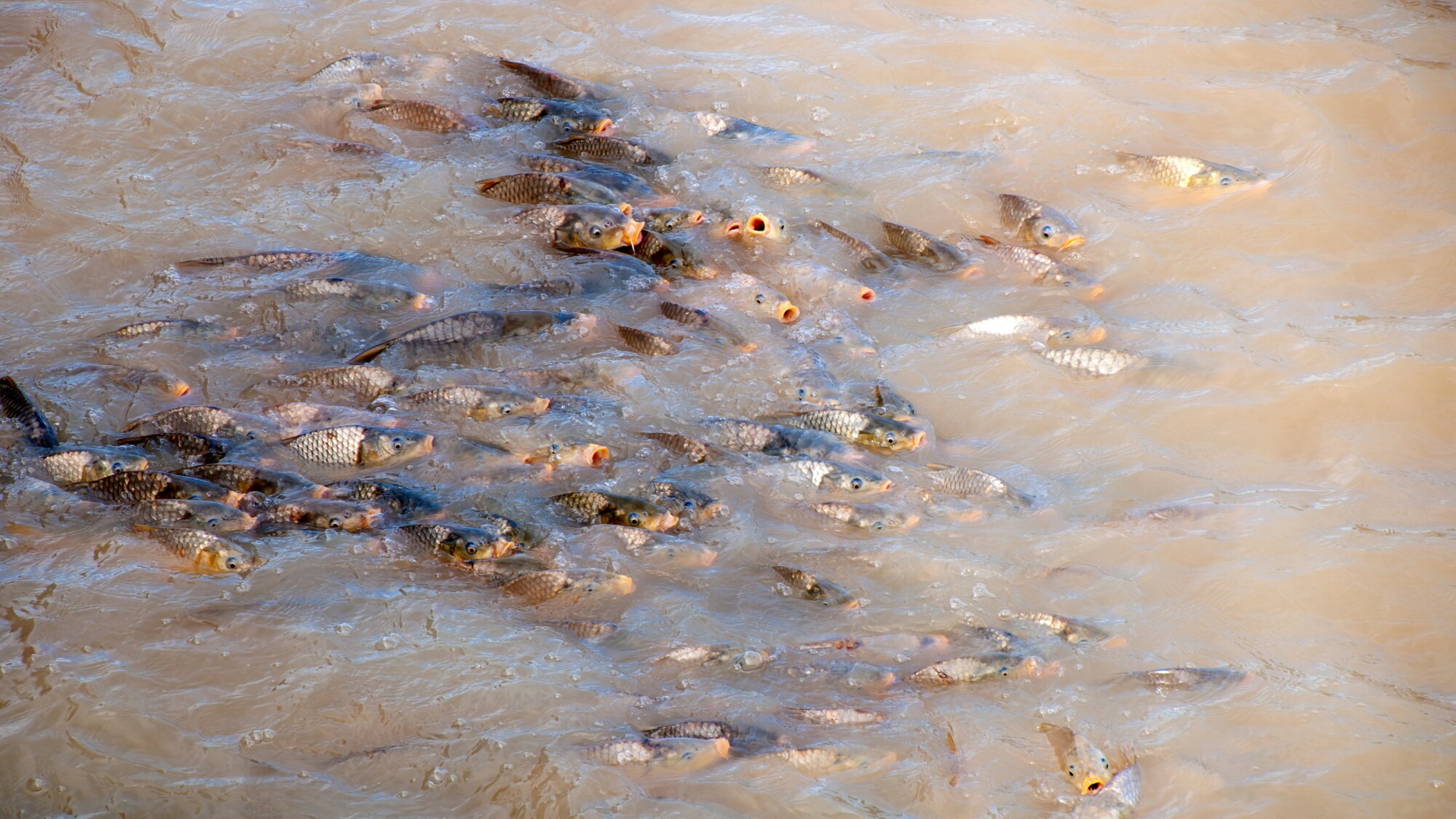
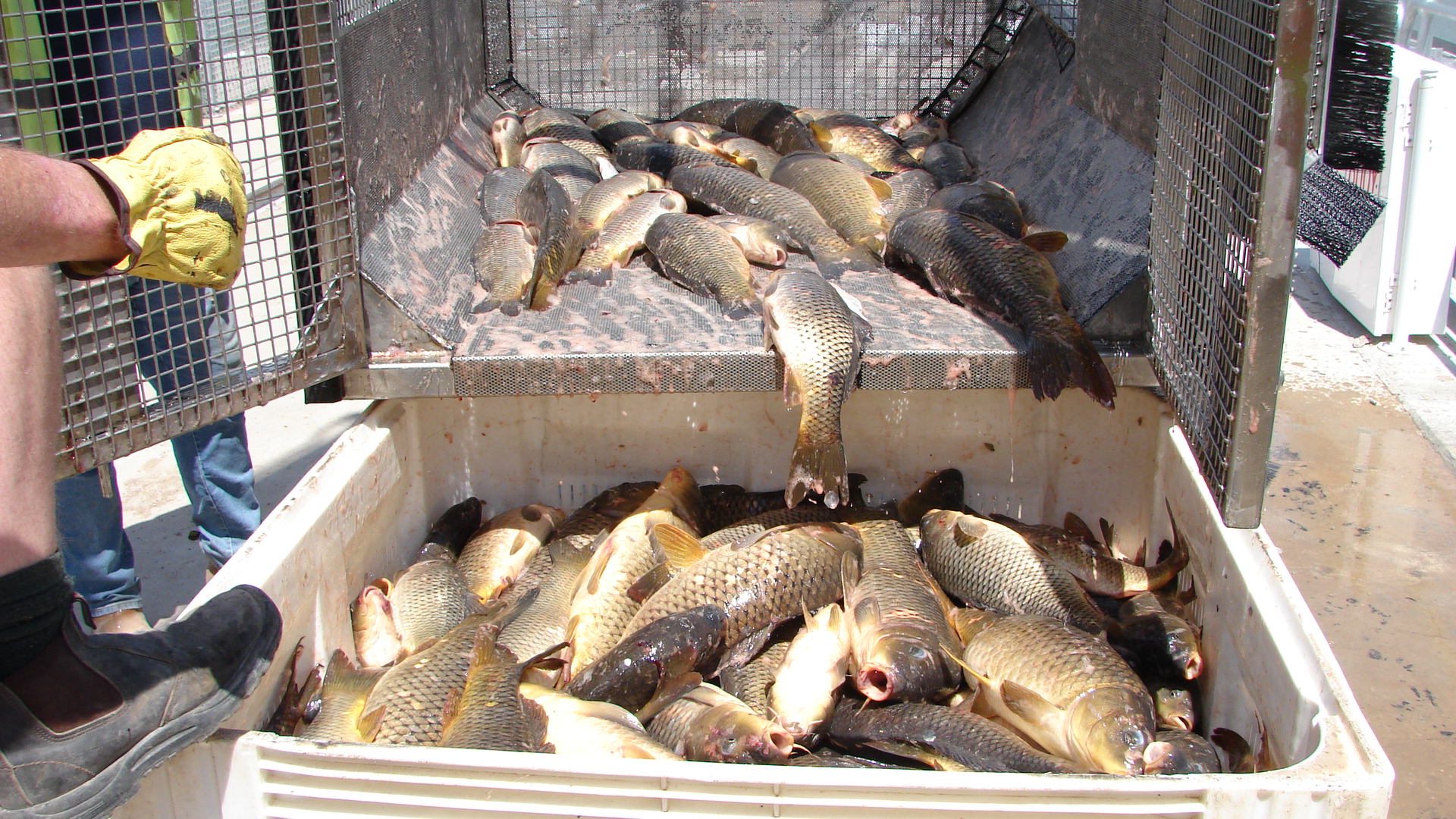
Caption: In a wet year, carp accounts for up to 90% of the total fish biomass across the Murray Darling Basin.
National policy reform
One of the Carp Action Alliance's priorities is to build support for recognising carp as a key threatening process under the Environment Protection and Biodiversity Conservation Act. This would create a pathway for a national Threat Abatement Plan, helping to set clear priorities, responsibilities and long-term actions for coordinated carp management across jurisdictions. This action complements on-ground control by seeking the national policy settings needed to support sustained investment, accountability and implementation.
Research and evidence
We know there is a lot of public focus and understandable concern around specific measures like the carp herpes virus. The Carp Action Alliance is not a single-issue advocacy body. Our role is to shine a light on the full diversity of actions already underway or being planned across the country, and to support a genuinely evidence-based and integrated approach where every credible tool is assessed on its merits alongside the others. We will continue to add to the resources below to reflect that breadth.
The follow-on research program to the National Carp Control Plan, undertaking further scientific and regulatory work on the carp virus as a potential biological control agent. Visit the program page.
The National Carp Control Plan (NCCP) was a detailed research program examining the potential use of a carp virus as a biological control agent to sustainably control carp across Australia. Download the full report.
Other important publications
Have a resource or case study to share?
This Resource Library is intended to grow over time. If you have a demonstration project, case study, monitoring or management plan, informational video or webinar, or a contact for an organisation undertaking carp control, please share it so it can be considered for inclusion on the Carp Action Alliance website.
GET IN TOUCH