
.jpg)
Overview
Lake Colac is Victoria's largest natural freshwater lake, with a 33-kilometre shoreline and a surface area of around 2,700 hectares.
Commercial carp fishers estimate the lake may hold up to 700 tonnes of carp, at a density of around 260 kilograms per hectare. At these levels, carp resuspend lake sediments, reduce water clarity, damage aquatic reed beds, reduce biodiversity, displace native fish and undermine what was once a highly valued recreational fishery.
When Lake Colac dried in 2009 and again in 2016, large numbers of carp moved into the deeper waters of Barongarook Creek. For weeks and months afterwards, the smell of dead carp filled the air as industrial-scale contractors collected decomposing fish and transported them to landfill.
This experience showed the need to plan better for future drying events, develop local processing capacity, use carp biomass more productively and manage carp before the next crisis occurs.
In response, the Victorian Fisheries Authority has identified Lake Colac as a strong, if ambitious, case study for developing an integrated carp management plan. The lake was selected because it is a terminal lake with only two inflows, Barongarook Creek and Deans Creek.
Its shallow profile and large surface area drive high evaporative loss, making future drying events likely. A drying lake also creates a rare opportunity to reset the system without carp.
Limiting carp reinvasion could involve self-cleaning screens on inflows, removing carp from holding areas in creeks and stocking predatory native fish to prey on juvenile carp that enter the lake.
Why it matters
Lake Colac was once a highly valued recreational destination and commercial eel fishery, contributing social and economic benefits to the region. Carp have significantly changed this.
The lake is also characteristic of many shallow western district lakes and wetlands that have been overrun by carp. A practical and costed plan for Lake Colac could build confidence, demonstrate what is possible and encourage other land and water managers to invest in carp control and lake recovery.
Who is involved?
Effective carp management at Lake Colac requires collaboration between local council, fisheries researchers and managers, water authorities, catchment managers, First Nations organisations, commercial fishers, carp processors, landholders and local communities.
The Lake Colac Advisory Group, facilitated by Colac Otway Shire, will oversee the project.
Finding local processing capacity that can deal with large volumes of carp in a cost-effective way is particularly important.
Actions being taken
The Victorian Fisheries Authority has developed a proposal to lead the preparation of a Lake Colac integrated carp management plan, bringing together fish ecologists, planners, commercial fishers, engineers and community representatives.
The Victorian Fisheries Authority, Colac Otway Shire, Barwon Water and the Corangamite Catchment Management Authority have committed funding to support this work.
Community engagement has also been central to the project, with the 2025 and 2026 Carp Fishing Festival events helping to show the scale of the issue, involve recreational fishers and build local support for practical action.
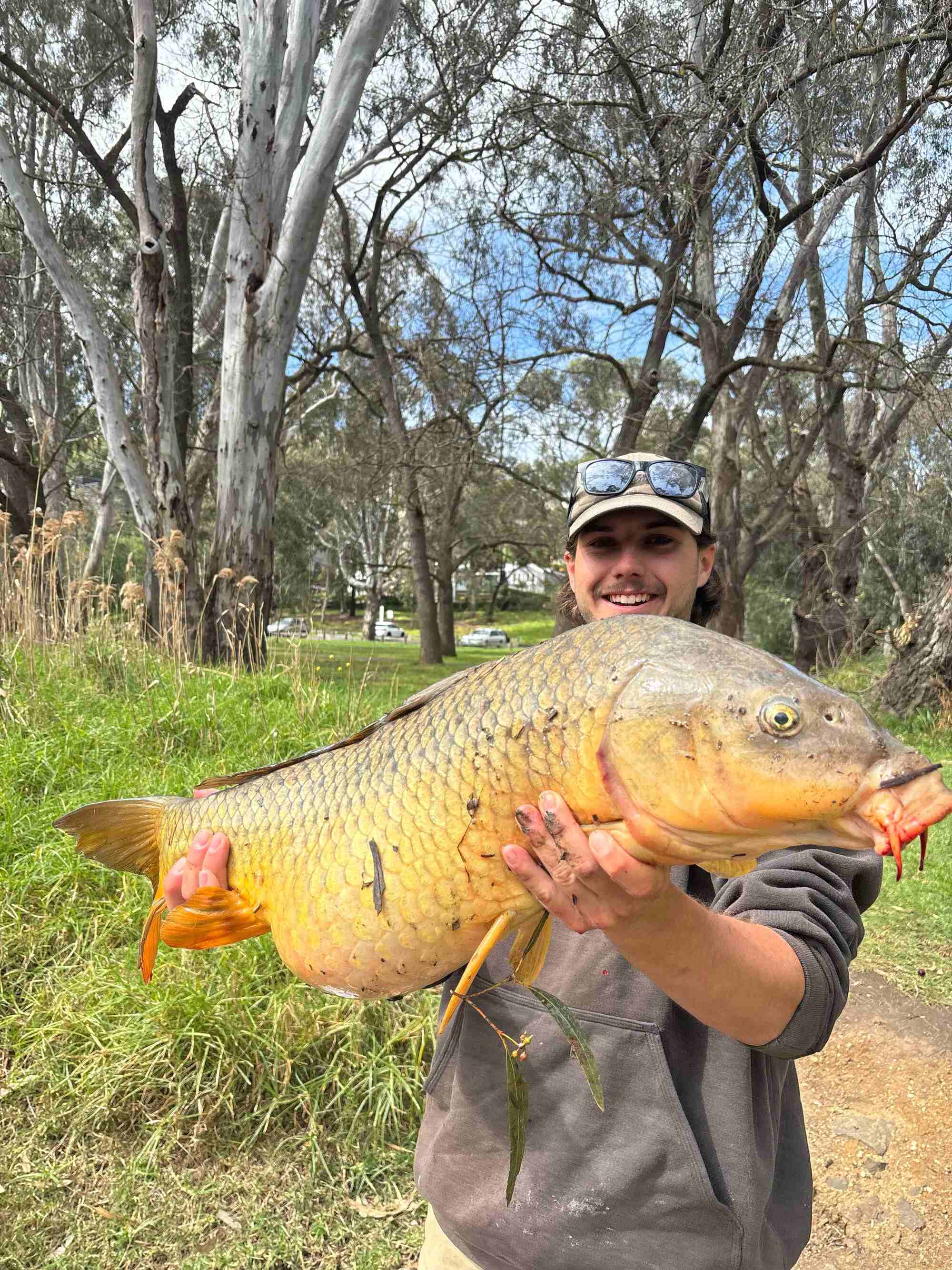
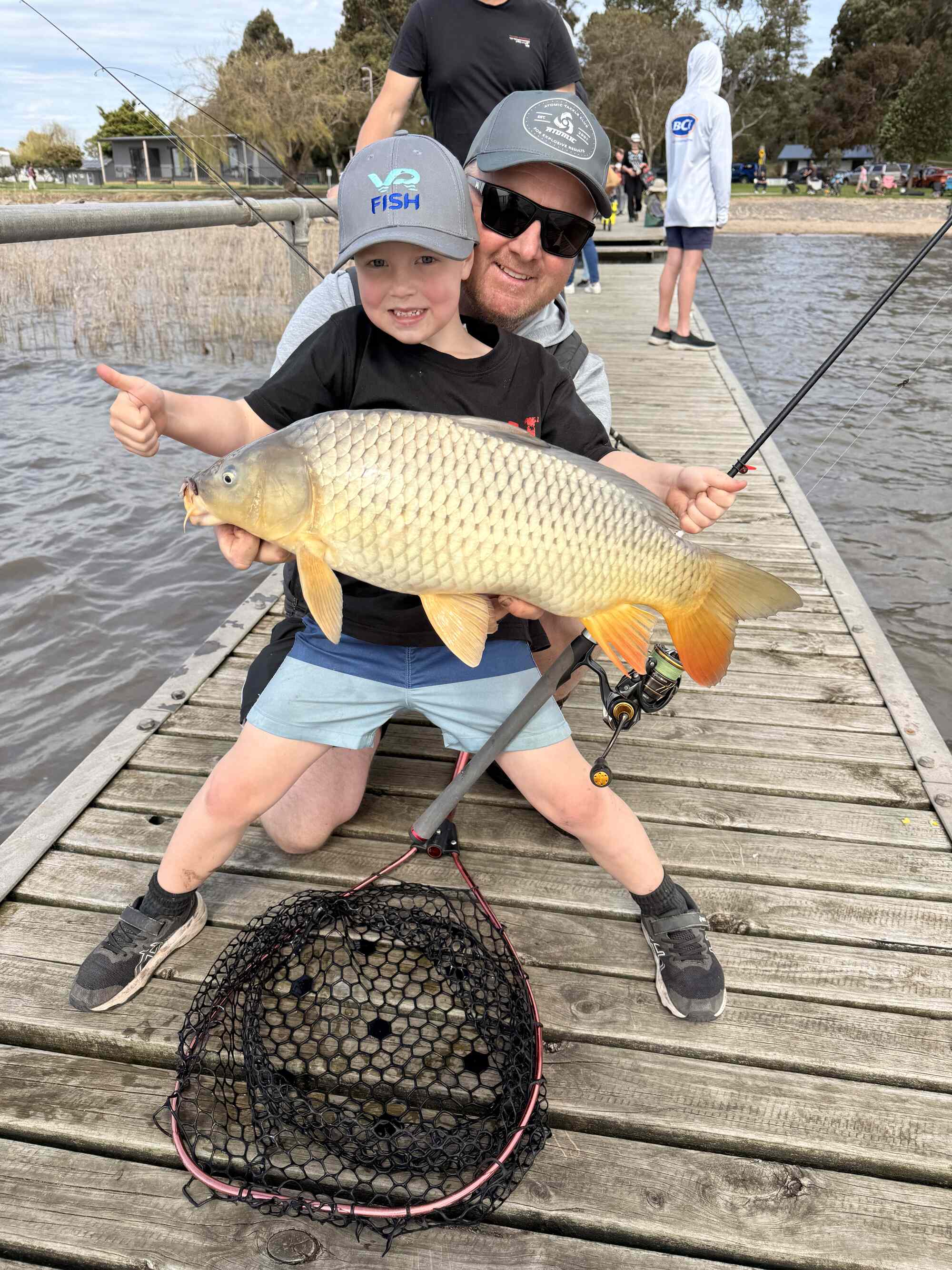
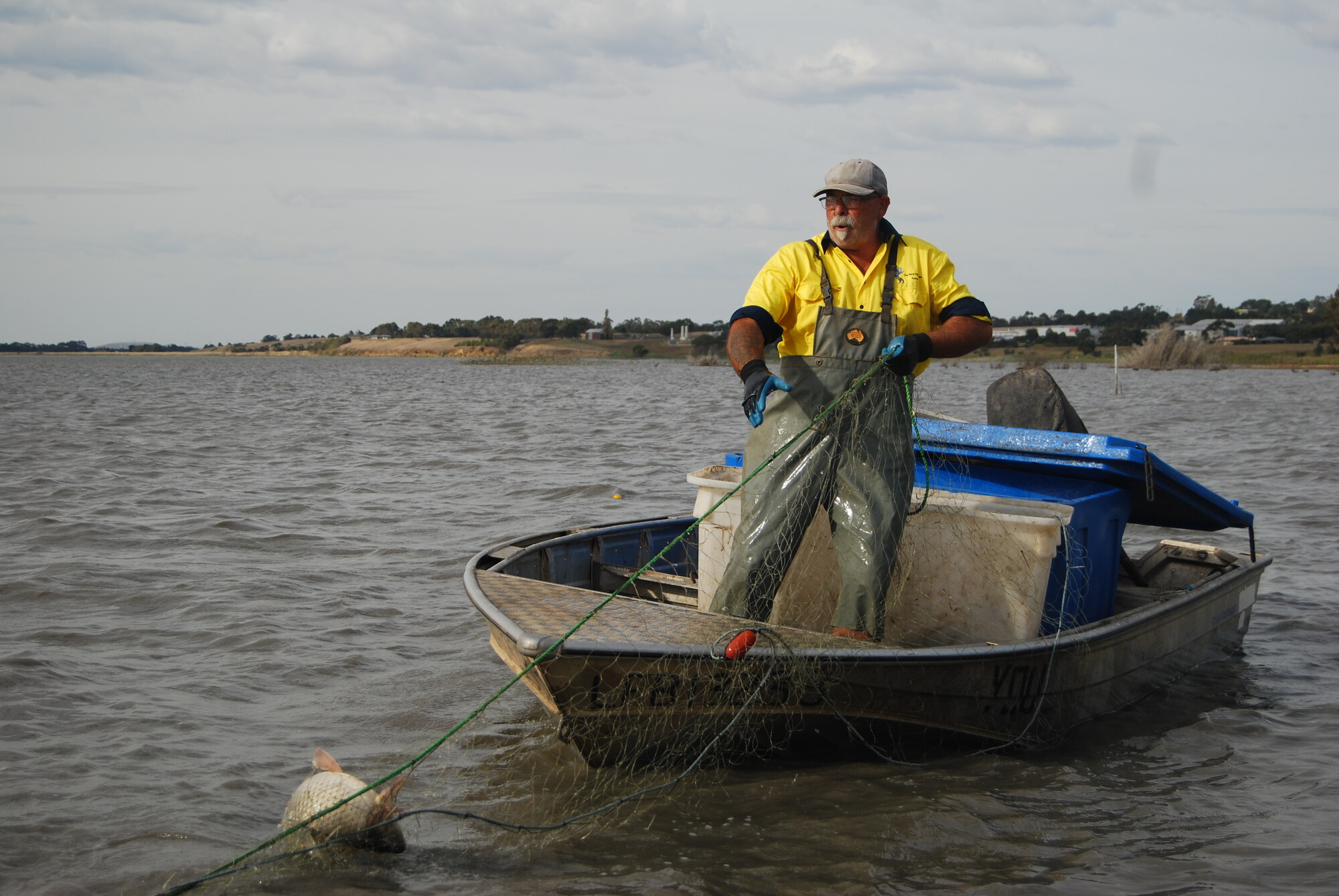
Photos from the recent Lake Colac carp fishing festival
.jpg)
%20.jpg)
.jpg)
Outcomes
A costed blueprint:
The Lake Colac integrated carp management plan will provide a strategic and costed blueprint for managing carp and supporting lake recovery. It will set out a clearer investment pathway for local agencies and provide a rationale for further government or private sector support. If adopted and implemented, the plan could help revitalise the lake's biodiversity, improve water quality, support a higher-quality recreational fishery and contribute to the social and economic prosperity of the region.
A key success factor has been building a deeper understanding of the carp issue among local communities and lake users.
The 2025 and 2026 Lake Colac Carp Fishing Festival events showcased the scale of the problem through commercial and recreational carp harvesting, while also engaging the community through educational activities, food stalls, carp cooking demonstrations, expert advice, recreational fishing participation and social media promotion.
These events helped attract people to the lake, build ownership and support funding commitments from local agencies.
"Lake Colac was once a highly valued recreational destination and a commercial eel fishery — carp have significantly changed that. This lake is characteristic of a lot of shallow western district lakes and wetlands that have been overrun by carp, so a practical, costed plan for Colac doesn't just help this lake. It builds confidence and gives other land and water managers a model to invest in carp control and lake recovery."