Less talk. More action.
Turning shared urgency into coordinated action on carp, nationally.
Why the Alliance exists
Carp are one of the biggest threats facing Australia's rivers, wetlands and native fish populations.
The Carp Action Alliance exists to turn that shared urgency into coordinated national action: connecting on-ground action, demonstration sites, knowledge sharing and governance under one platform.
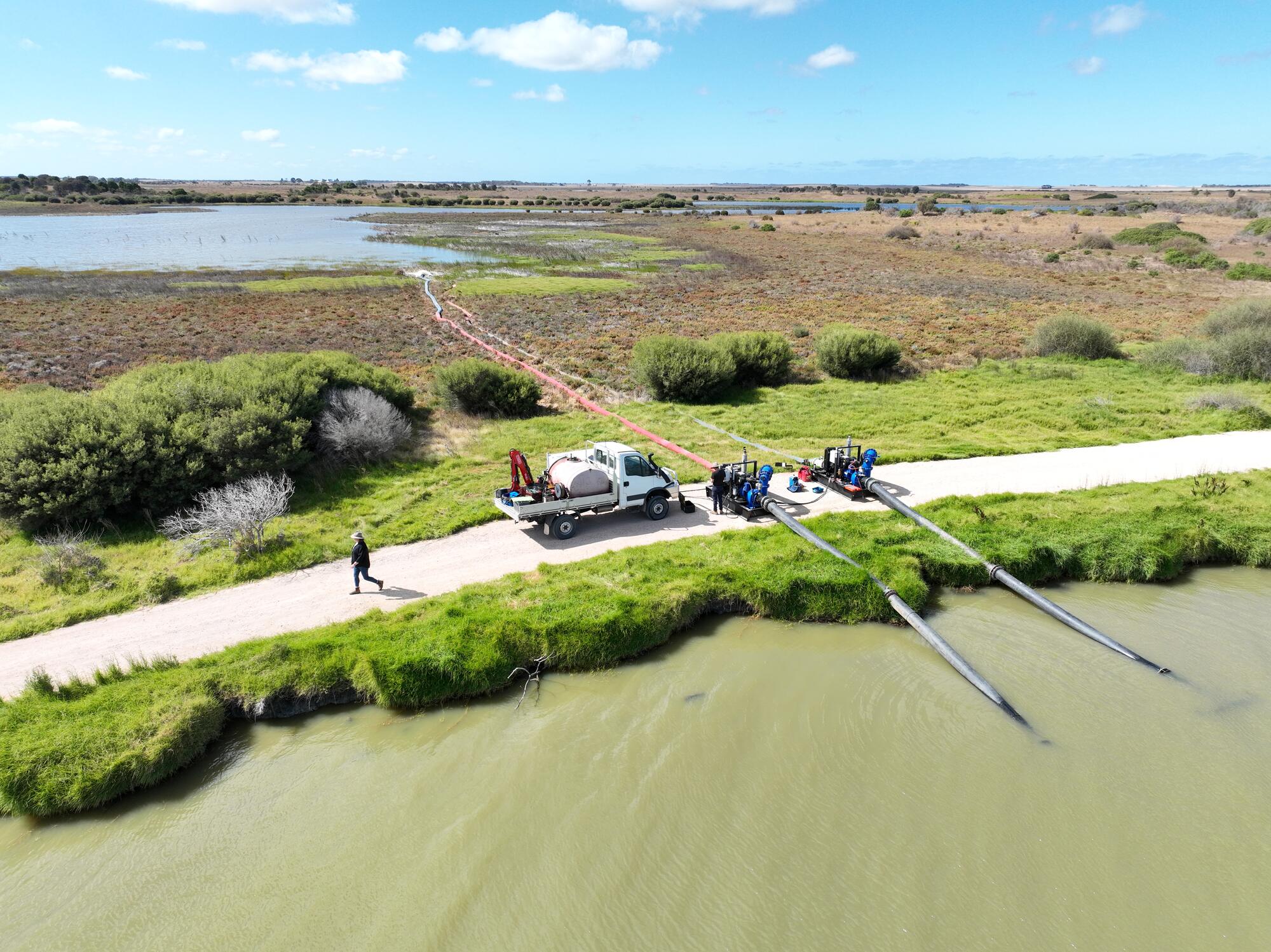
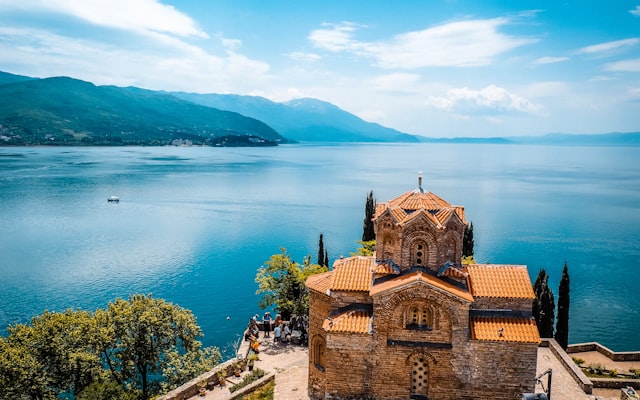
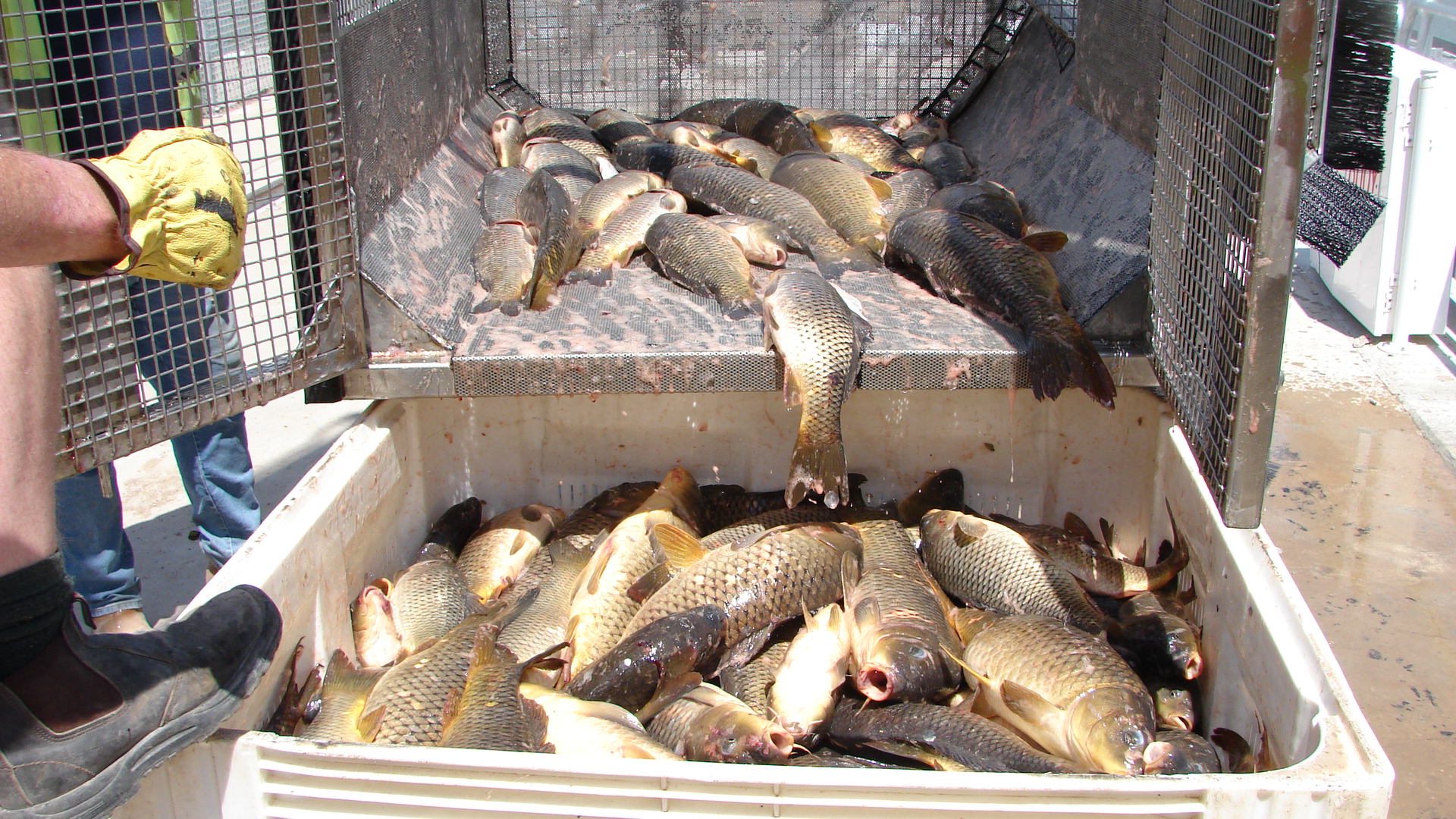
Caption: Landscape South Australia use innovative drying and filling cycles, carp harvesting, screening and filtering water to keep carp out of wetlands.
Beyond a single solution
There is significant public interest in, and understandable concern about, individual management options such as the carp herpes virus. Yet focusing on any one measure in isolation risks overlooking the breadth of work already underway across Australia to manage carp populations and their impacts.
The Alliance is not focused on advocating for any single solution. Our role is to highlight the full range of management actions already underway, or being considered, across Australia and to support an integrated, evidence-based approach to carp management.
Taking action
Here are some of the latest carp control actions being taken around the country.
.jpg)

Our ‘Toolbox’ bring together practical resources, the latest carp control case studies, and other updates from Alliance partners working across the country.
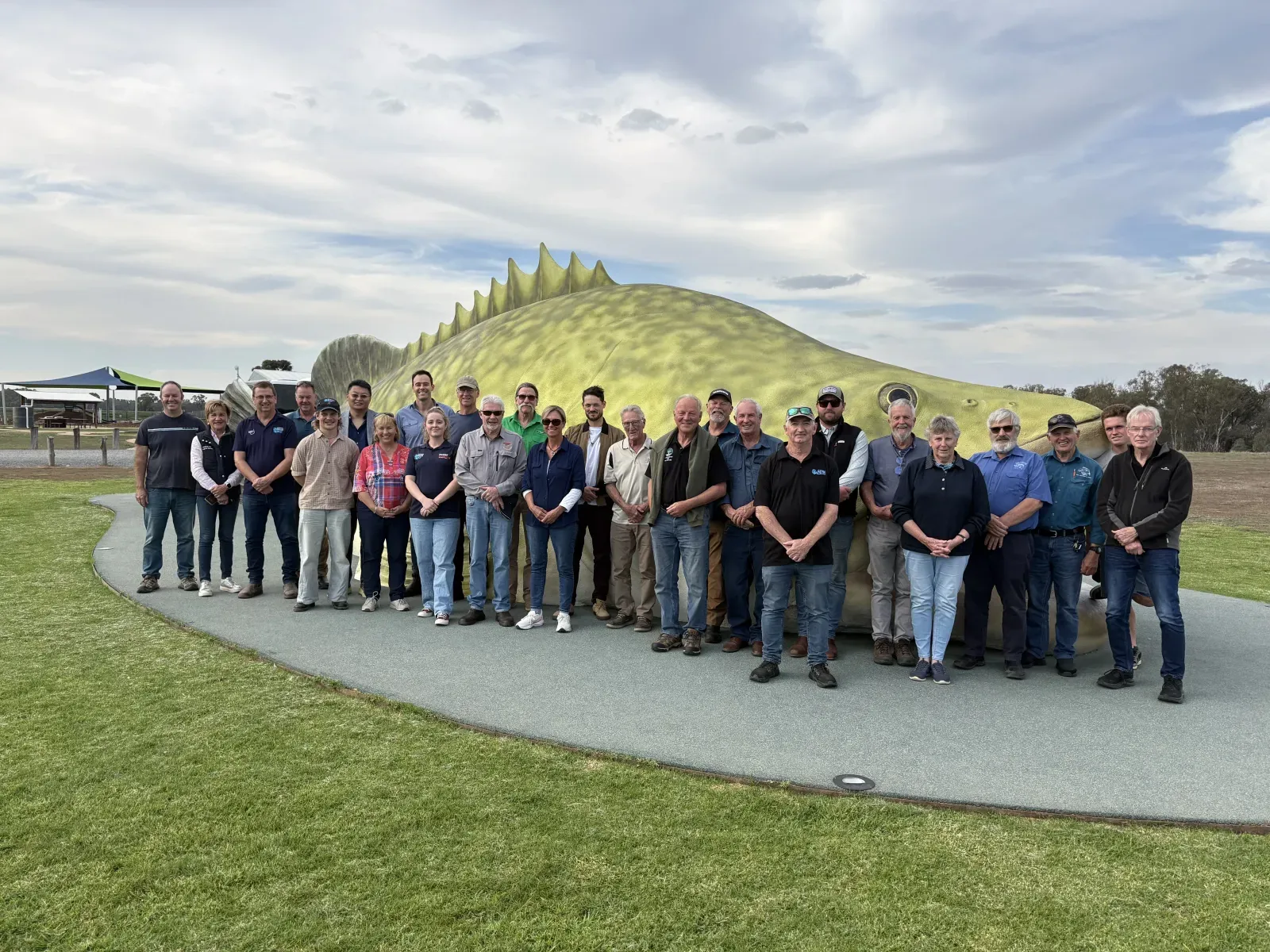
Caption: Community leaders from all corners of the community schooled up at Lake Nagambie for the Murray-Darling Basin Carp Action Summit.
Become an Alliance Partner
Becoming an Alliance Partner means being part of a national platform focused on action, collaboration and shared learning. It is more than simply joining a network or having an organisational logo on a website.
We are looking for partners who are committed to doing something practical, sharing what they are learning, and helping others understand what is possible.
This may include projects focused on carp harvesting, processing, habitat restoration, wetland management, native fish recovery, fish passage, community engagement, research, innovation, biological control approaches, or other practical actions that contribute to healthier rivers.