Where are carp found?
Different waterway types create different opportunities for carp management. The contents in this page will help you to identify the system you are working in, understand why carp thrive there, and choose actions that match the way water, habitat and fish movement operate in that setting.
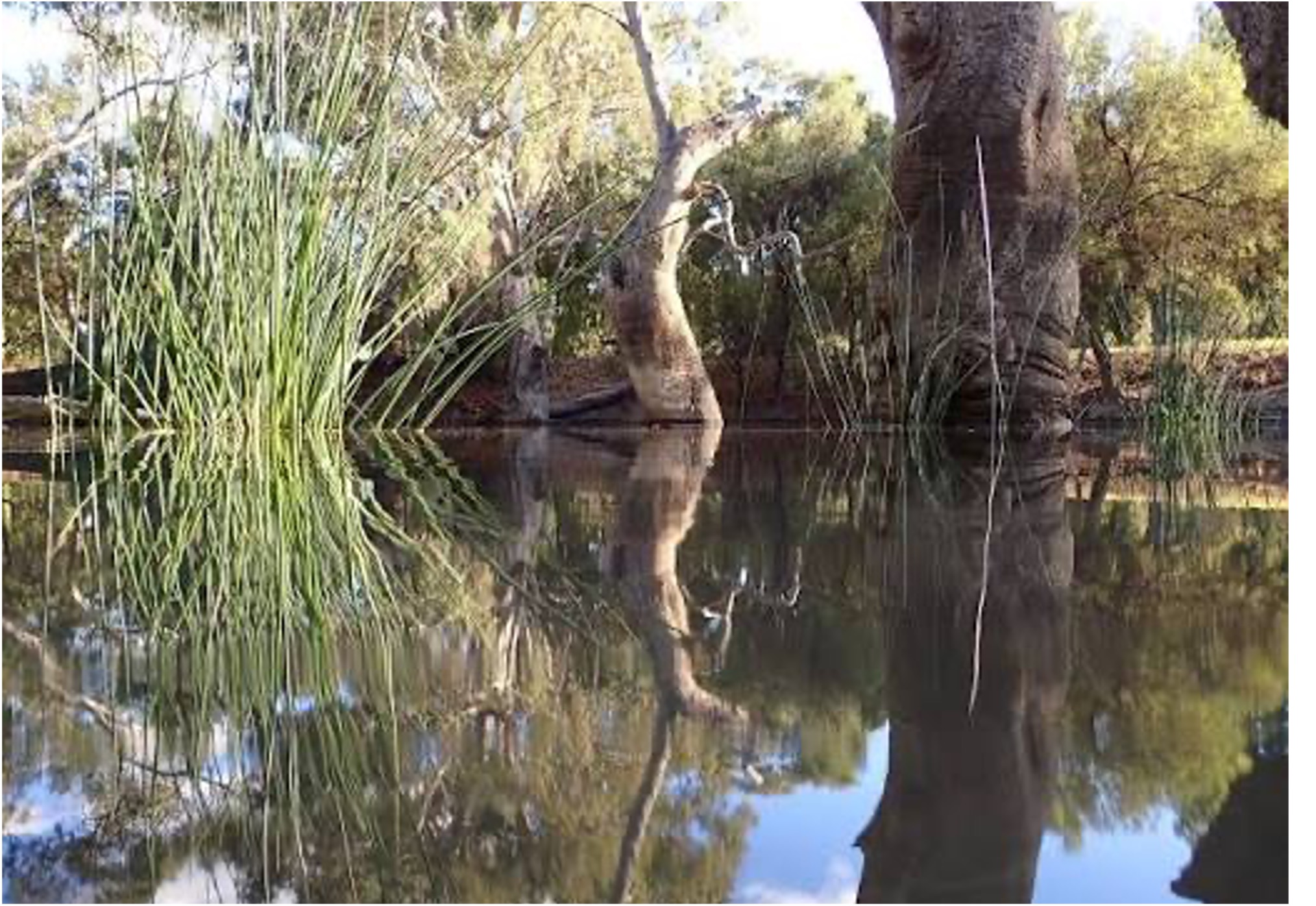
Ephemeral wetlands
Different waterway types create different opportunities for carp management. The contents in this page will help you to identify the system you are working in, understand why carp thrive there, and choose actions that match the way water, habitat and fish movement operate in that setting.
When these wetlands fill, they can become carp breeding hotspots — producing large numbers of juveniles that later spread into connected rivers, lakes and wetlands.
Recommended Actions:
- Take advantage of natural drying cycles, or manage water levels down, to expose wetland areas and strand or stress carp.
- Use drawdowns (natural or managed) to stop young fish from surviving and recruiting into connected systems.
- Install screens, regulators and other exclusion structures to keep adult carp out during key spawning periods.
- Target breeding sites early to reduce carp numbers at the source and protect connected rivers, lakes and wetlands downstream.
Semi-permanent lakes
Ephemeral wetlands fill and dry with rainfall, floods or environmental watering. They include seasonal wetlands, floodplain wetlands, temporary lagoons and anabranches.
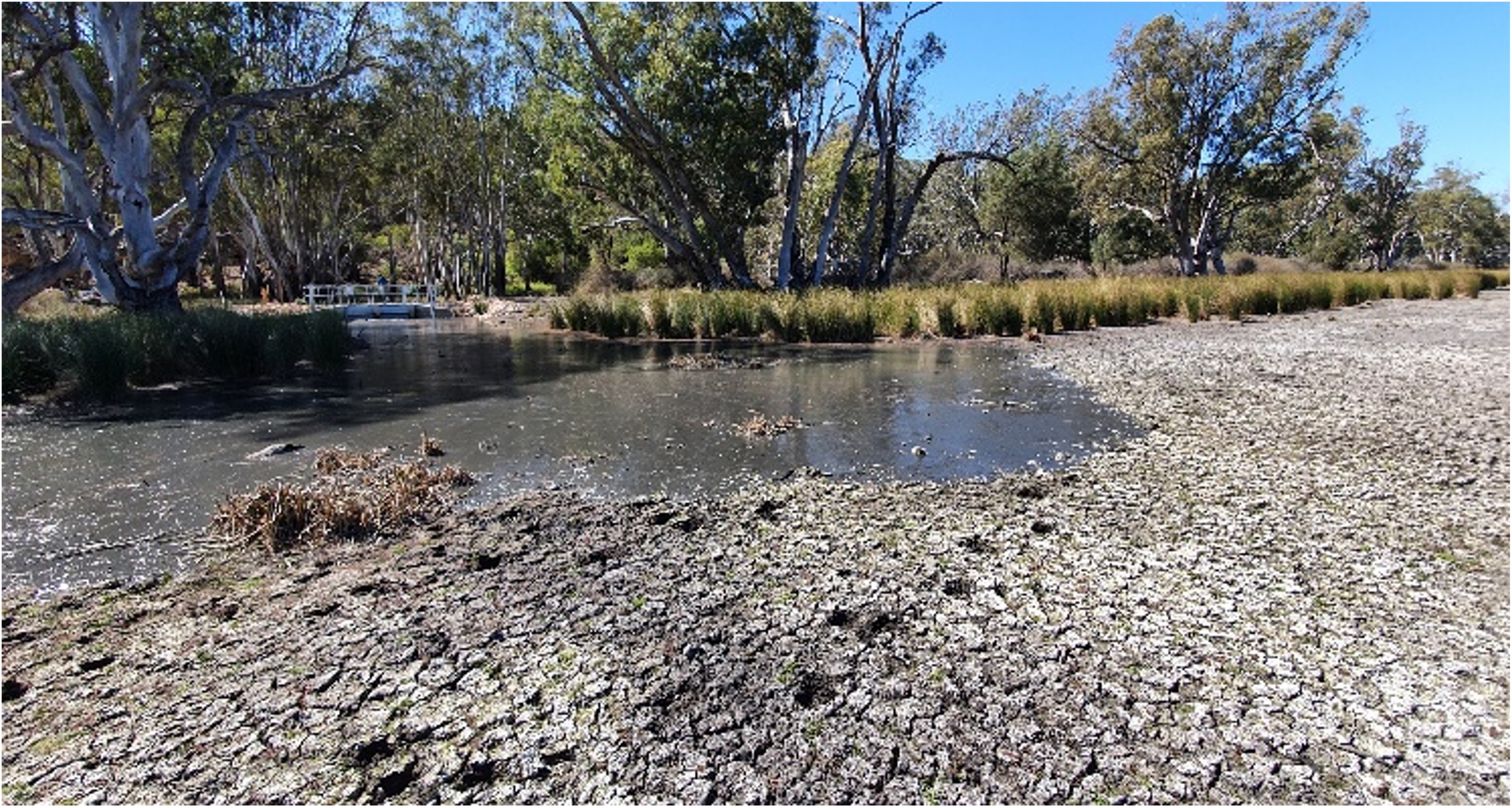
Semi-permanent lakes provide favourable conditions for carp to establish large populations, and can act as important spawning and nursery habitats during wet periods.
Recommended Actions:
- Use natural water-level fluctuations to your advantage, especially as lakes draw down and carp are forced into smaller, more manageable areas.
- Run fish-downs and other removal methods while carp are concentrated — drawdown periods make these far more effective.
- Install screens or use regulators to limit movement between connected habitats and reduce reinfestation.
- Once carp numbers are down, support native fish recovery through targeted stocking where appropriate.
Permanent lakes and storages
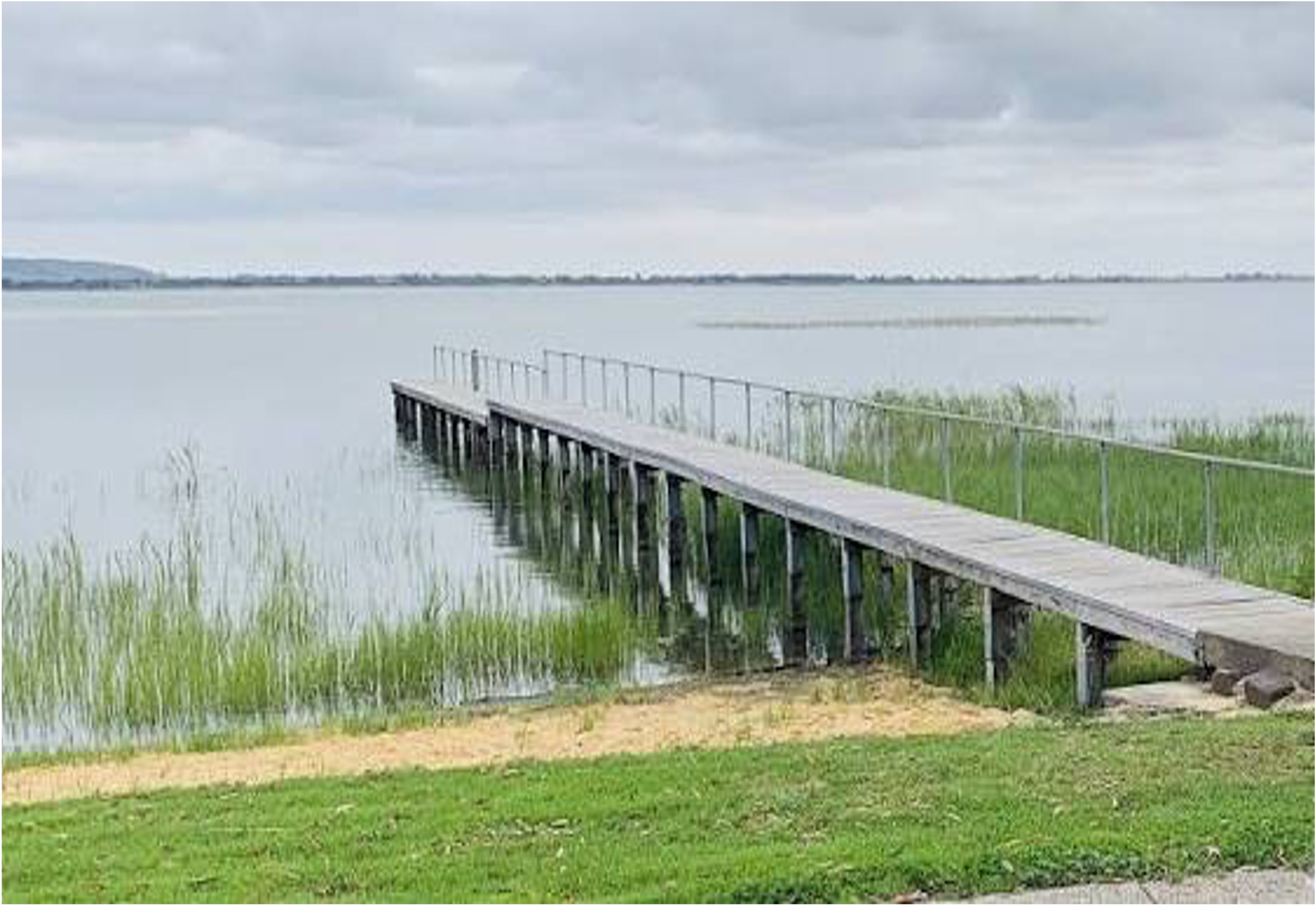
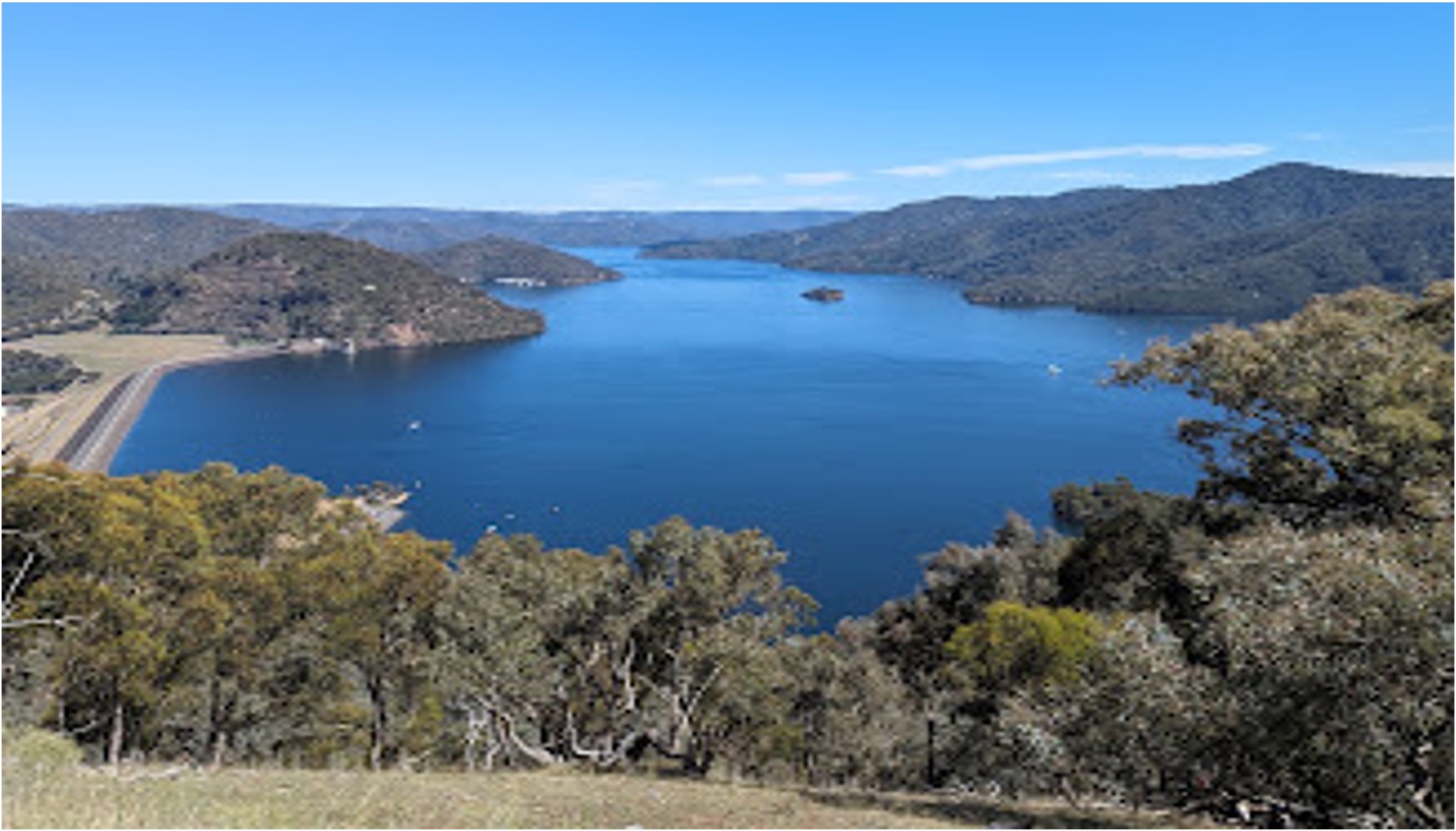
Permanent lakes and storages provide carp with year-round habitat, refuge and feeding opportunities, allowing large populations to persist and recover quickly after short-term control efforts. Unlike wetlands that periodically dry, these systems usually need sustained, coordinated management over time.
Reducing carp biomass, limiting reinvasion, and supporting the recovery of native fish and aquatic vegetation.
Recommended Actions:
- Keep the pressure on through sustained, coordinated removal. This can be done through commercial harvesting, trapping, recreational fishing programs and community carp events, all used together.
- Don’t rely on one-off efforts. Permanent waterbodies support carp year-round, and populations can quickly rebuild.
- Where numbers have been reduced, consider targeted native fish stocking to support recovery and improve ecosystem resilience.
Creeks and rivers
Creeks and rivers are the movement corridors of the aquatic environment, connecting feeding, refuge and breeding habitats across the catchment. That connectivity makes river systems important targets for catchment-scale management, especially where carp can be intercepted at bottlenecks or targeted when they gather to spawn.
Carp travel rivers and creeks to move between habitats, often across large distances. Movement is shaped by flows, barriers, fishways, regulators, weirs and seasonal breeding cues.
Recommended Actions:
- Focus effort where carp movement and behaviour create the best opportunities for control — points where fish are funnelled through river infrastructure or gather in large numbers to breed.
- Use migration interception at fishways, regulators, weirs and other bottlenecks to capture or exclude carp when movements are concentrated.
- Direct removal efforts around spawning aggregations to improve efficiency.
- Where appropriate, support native fish recovery through targeted stocking.